21 Sep 2026
How Seasonal Tournaments Drive Participation Shifts in Hybrid Entertainment Venues
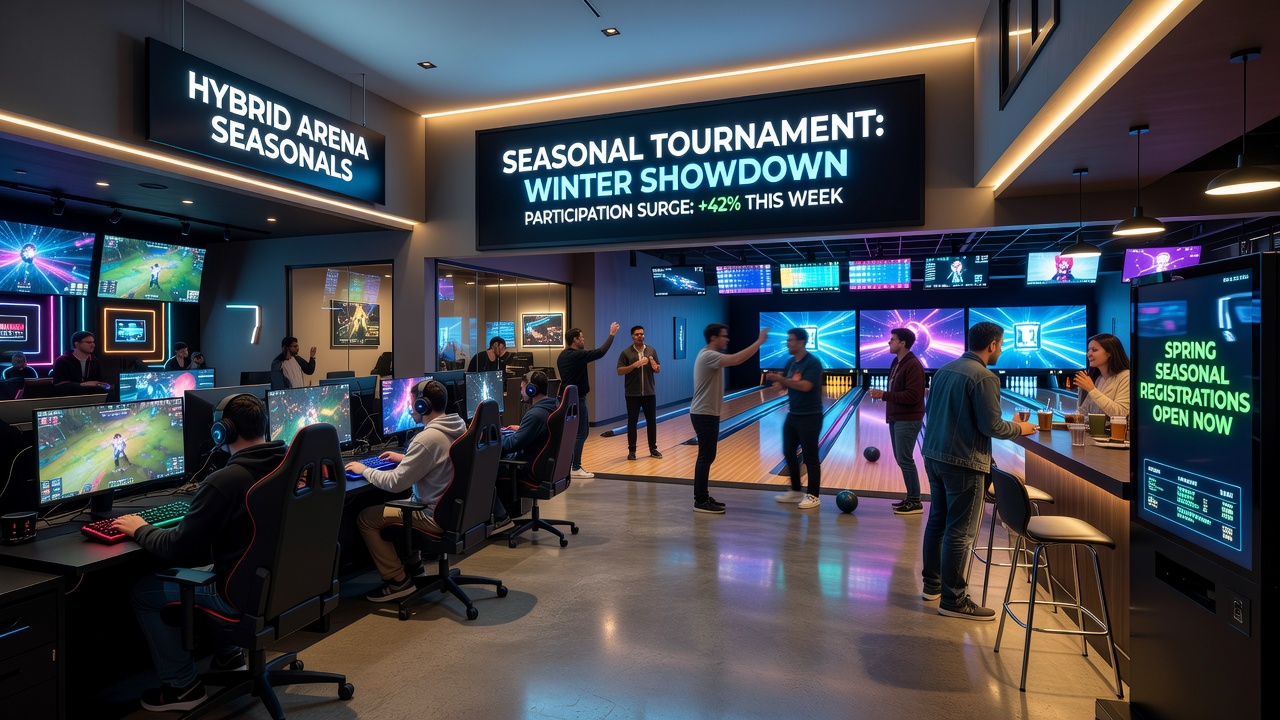
Hybrid entertainment venues combine casino gaming, sports betting, live events, and hospitality services under one roof, and seasonal tournaments have become a primary mechanism for redirecting visitor flows within these spaces. Data from industry reports show that events tied to major sports calendars or holiday periods consistently produce measurable changes in how patrons allocate their time and spending across different offerings. These shifts appear most clearly in attendance patterns, game-type preferences, and overall dwell times recorded by venue operators.
Seasonal Tournament Structures in Hybrid Settings
Seasonal tournaments typically align with established sports schedules or calendar events such as college basketball brackets in spring, baseball pennant races through summer, or football kickoffs in early fall. Venues integrate these competitions into their betting lounges and promotional calendars, often adding bracket contests, fantasy leagues, or prize pools that run alongside standard gaming floors. According to figures released by the American Gaming Association, participation in such integrated events rose steadily between 2022 and 2025, with the largest spikes occurring during multi-week tournament windows rather than single-game days.
Operators design these activations to pull visitors from slot machines or table games toward sportsbooks during peak tournament hours, then encourage movement back to other amenities during breaks in play. In September 2026, several major properties in Nevada and Atlantic City plan synchronized football tournament overlays that begin with opening-weekend promotions and extend through conference championship stages. These programs include dedicated viewing zones adjacent to poker rooms and retail shopping corridors, creating deliberate pathways that encourage cross-category engagement.
Documented Participation Shifts
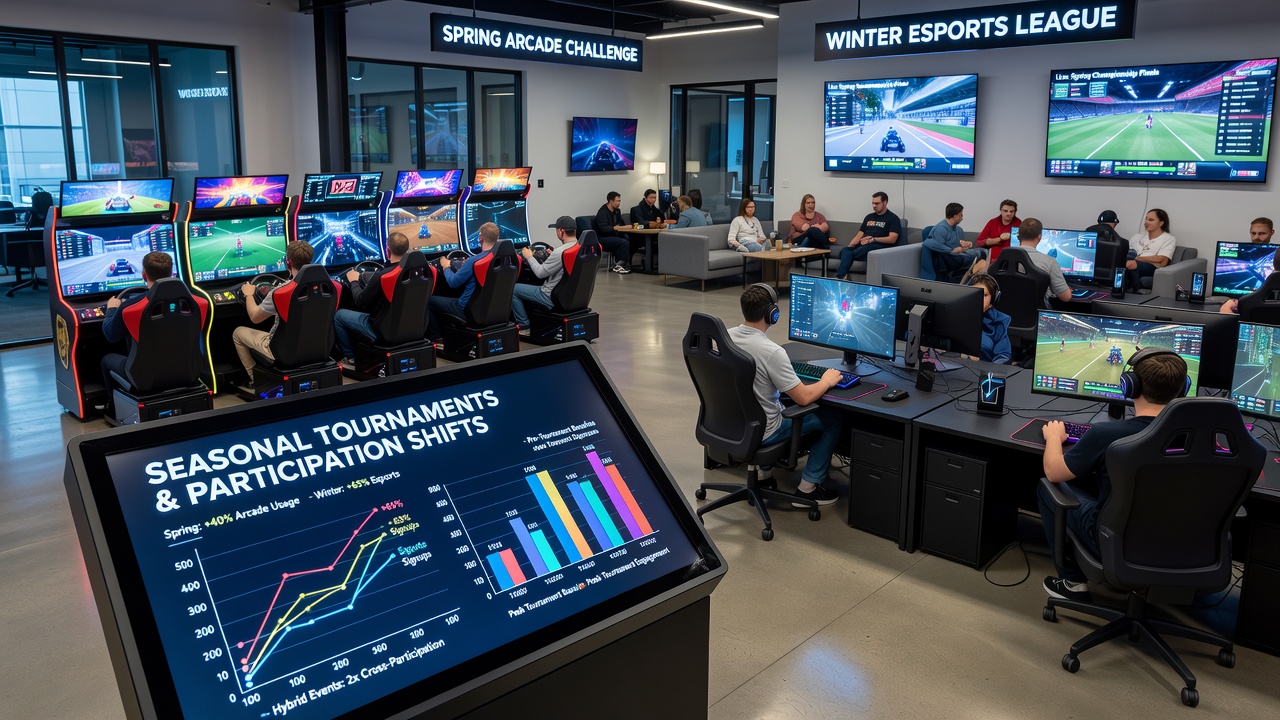
Research compiled by the Canadian Gaming Association indicates that venues offering seasonal tournament tie-ins record an average 18 percent increase in sportsbook handle during the first three weeks of September compared with non-tournament periods. At the same time, slot revenue per visitor declines modestly while overall foot traffic across the property rises. The pattern suggests patrons redistribute rather than reduce their total spending, moving between betting terminals, dining outlets, and entertainment stages within a single visit.
One study tracking visitor movement via mobile app data found that individuals who enter a hybrid venue specifically for a tournament bracket contest spend 27 percent more time in non-gaming areas than those arriving for routine casino play. Researchers observed these guests frequently transition from sports viewing areas to nearby restaurants or hotel lobbies during game intermissions, extending the length of their stay without necessarily increasing gaming volume.
Regional Examples and Data Patterns
Properties in Australia have reported similar redistribution effects during the Australian Football League finals series each September. Venues operated by major operators there note elevated attendance in multi-purpose lounges that combine betting terminals with live music stages, while traditional electronic gaming machine areas experience steadier but lower relative growth. Government statistics from the Australian Gambling Research Centre confirm that hybrid sites achieve higher total visitor counts during these periods than standalone casinos or betting shops.
European operators in jurisdictions such as Malta have introduced parallel seasonal activations around international soccer tournaments, linking them to on-site entertainment schedules. Participation data collected by the Malta Gaming Authority shows increased cross-visitation between betting windows and adjacent conference or concert facilities during these windows. The consistent thread across regions is that tournament structures create temporary peaks that venues then leverage to balance load across multiple revenue streams.
Operational Adjustments by Venue Management
Venue operators respond to these shifts by adjusting staffing rosters, promotional budgets, and floor layouts on a seasonal basis. During September 2026 football tournament windows, several U.S. properties plan to expand temporary betting kiosks near hotel registration desks and entertainment ticket counters. They simultaneously reduce emphasis on slot floor promotions in favor of tournament-related digital signage that guides visitors toward integrated experiences. These tactical reallocations reflect observed patterns in which guests arrive for one activity yet engage with additional offerings once inside the venue.
Technology platforms that track real-time occupancy and transaction data enable managers to identify when participation begins migrating between zones. Systems alert staff to open additional viewing areas or adjust table game minimums when tournament-related crowds exceed certain thresholds, maintaining throughput without creating bottlenecks at any single point of sale.
Conclusion
Seasonal tournaments function as scheduled catalysts that redirect participation patterns across hybrid entertainment venues, producing measurable changes in visitor distribution, time allocation, and category preference. Data collected by regulatory bodies and industry associations across multiple jurisdictions demonstrate consistent seasonal effects that operators now anticipate and plan for in their annual calendars. As properties refine integration strategies ahead of events such as the September 2026 football season, these participation shifts continue to shape how hybrid venues balance their diverse offerings throughout the year.