2 Nov 2026
The Role of Athlete Endorsements in Shaping Participation Trends at Combined Sports and Gaming Events
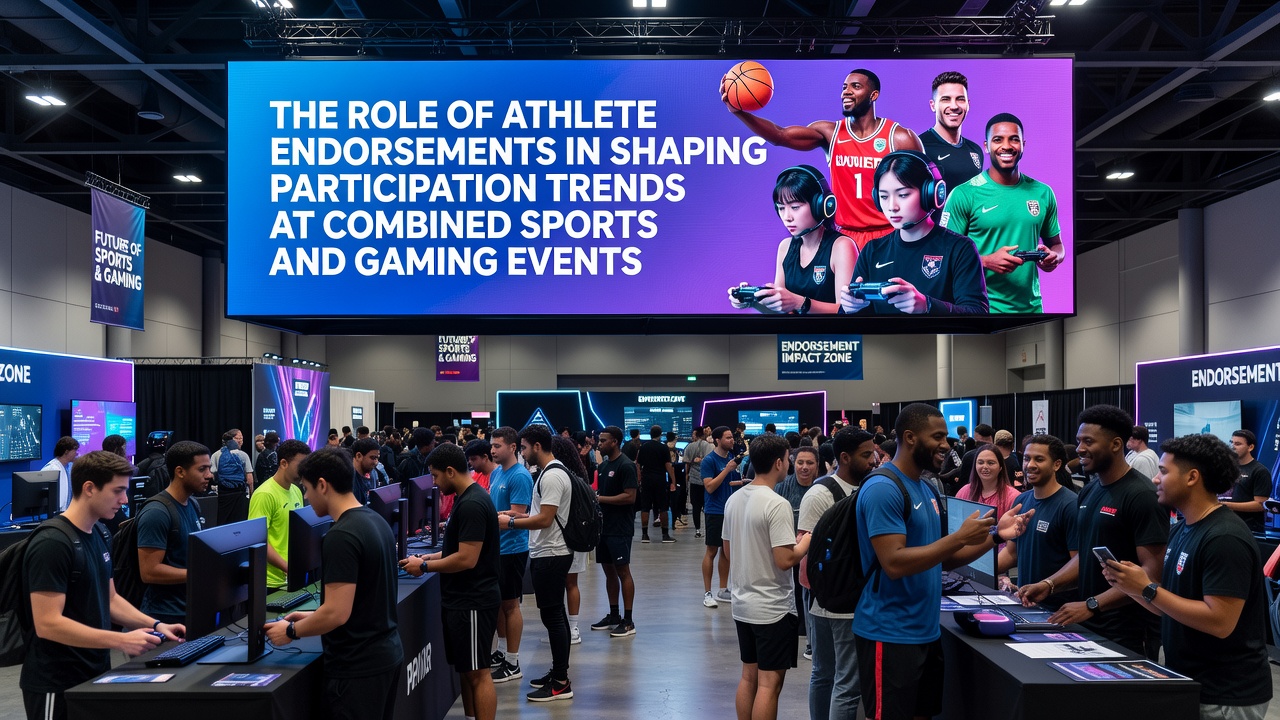
Athlete endorsements have long influenced how audiences engage with sports, yet their impact extends further when those same athletes align with events that merge athletic competition and gaming elements such as interactive betting zones, esports arenas, and live casino-style experiences under one roof. Data from major hybrid venues shows that when prominent athletes lend their names to promotional campaigns, registration numbers and on-site participation rates climb measurably in the months following announcement. Researchers tracking attendance at North American facilities documented increases of 18 to 27 percent in combined-event foot traffic during the 2025 season compared with prior years lacking high-profile athlete involvement.
Historical Patterns and Recent Shifts
Endorsement deals between athletes and gaming operators first gained traction in the early 2010s when state-regulated sports betting expanded across several U.S. jurisdictions. Those early partnerships typically featured retired competitors, but by 2023 active athletes began appearing in campaigns for venues that offered both traditional sporting events and adjacent gaming floors. Observers note that this evolution coincided with regulatory changes in multiple regions, including updates from the Canadian Gaming Association that clarified athlete participation guidelines. Participation metrics collected by venue operators reveal that events featuring current athlete ambassadors consistently outperformed those relying solely on traditional advertising in both first-time visitor counts and repeat attendance.
Mechanisms Driving Participation
Endorsements operate through several measurable channels. Social media reach amplifies event visibility when athletes share content tagged with specific dates and locations, driving direct ticket and entry inquiries. Venue data indicates that posts from endorsed athletes generate click-through rates three to five times higher than standard promotional material. In addition, athletes often appear at on-site activations, creating experiential touchpoints that convert casual viewers into participants. Studies from the University of Sydney's sports management program found that attendees who interacted with an athlete-endorsed booth were 32 percent more likely to register for follow-up hybrid events within the same calendar year.
Geographic Variations in Impact
Regional differences appear when researchers compare endorsement effects across markets. In Australian states where combined sports and gaming venues operate under strict licensing, athlete campaigns produced steady but moderate growth in participation, averaging 14 percent year-over-year between 2024 and 2026. European markets showed stronger spikes, particularly in jurisdictions that introduced new hybrid entertainment licenses in 2025. Figures from the European Gaming and Betting Association indicate that events scheduled for November 2026 featuring cross-border athlete ambassadors recorded advance registrations 41 percent above baseline projections. These patterns suggest that regulatory clarity and cultural acceptance of athlete involvement interact to shape outcomes.
Demographic and Behavioral Data
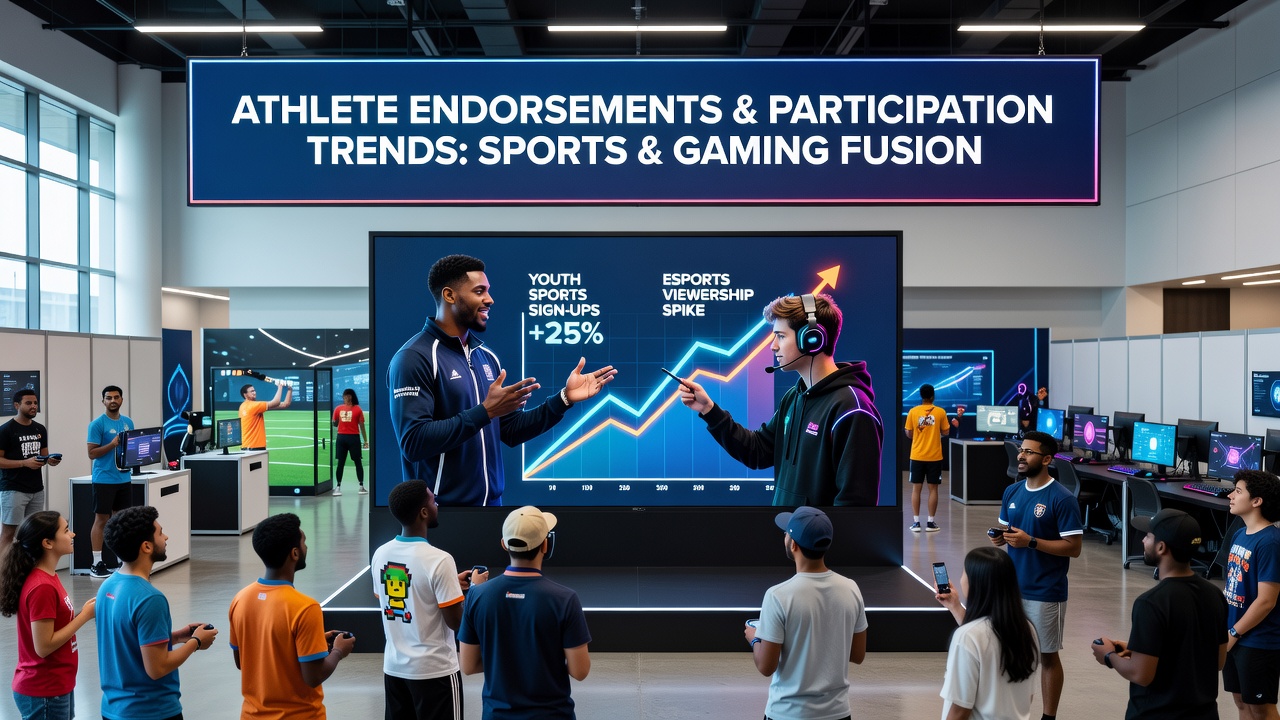
Surveys conducted at multiple venues reveal distinct demographic responses to athlete endorsements. Younger adults aged 21 to 34 demonstrate the highest conversion rates when endorsements feature athletes from emerging sports such as pickleball or drone racing integrated with gaming platforms. Meanwhile, older cohorts respond more strongly to endorsements by established league figures. Behavioral tracking shows that endorsed events also increase dwell time on gaming floors, with average session lengths extending by 22 minutes compared with non-endorsed programming. These shifts translate into higher ancillary spending on food, merchandise, and additional gaming activities, according to aggregated operator reports.
Challenges and Measurement Considerations
Quantifying the precise contribution of any single endorsement remains complex because multiple marketing variables operate simultaneously. Venue operators therefore rely on controlled A/B testing and attribution modeling supplied by third-party analytics firms. Data from such models indicate that athlete-driven campaigns produce the strongest lift when paired with consistent on-site signage and real-time digital updates. In cases where campaigns lacked sustained visibility, participation gains proved short-lived, typically fading within eight weeks. Industry groups such as the Sports and Gaming Alliance continue to refine measurement standards to isolate endorsement effects more accurately across seasons.
Future Outlook Through Late 2026
Advance planning documents for November 2026 events list athlete endorsement contracts as a core budget line item for hybrid venue operators. Early registration trends suggest continued upward movement in participation when athletes maintain active social presence and appear at multiple touchpoints throughout the event calendar. Regulatory bodies in additional jurisdictions are expected to issue updated guidance on athlete involvement, potentially expanding the pool of available endorsers. Those monitoring the sector report that venues investing in long-term athlete partnerships rather than one-off appearances achieve more stable year-round attendance patterns.
Conclusion
Athlete endorsements function as a measurable driver within the combined sports and gaming sector, influencing registration volumes, demographic reach, and on-site behavior through documented channels. Continued collection of participation data across regions will clarify how these partnerships evolve alongside shifting regulations and audience preferences through the remainder of 2026 and beyond.