19 Oct 2026
Tracing Regulatory Shifts in Hybrid Athletic and Chance Venues Through Key Milestones
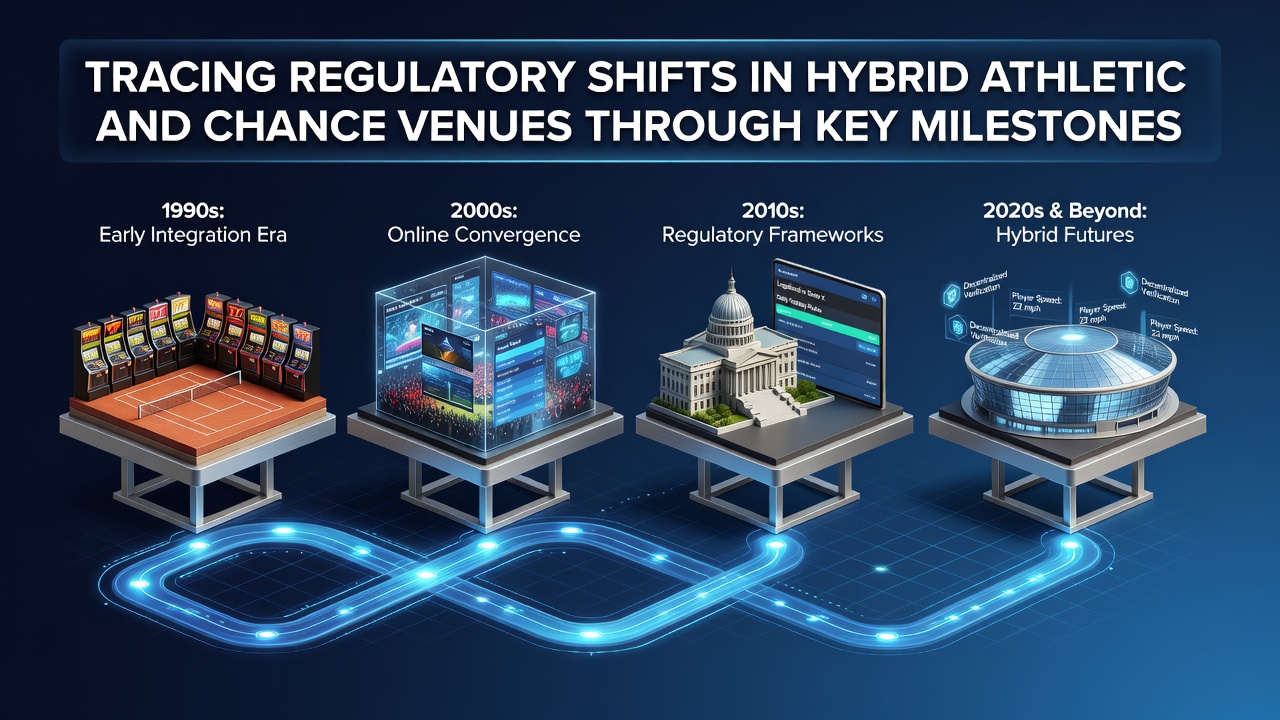
Hybrid athletic and chance venues combine elements of live sports events with betting and casino-style gaming under one roof, and their regulatory framework has evolved through distinct legislative and administrative changes over the past century. Observers note that these shifts often respond to technological advances, public demand, and revenue considerations at state and national levels, while experts track how rules adapt to keep pace with integrated entertainment models.
Foundational Changes in the Early 1900s
State-level decisions in the 1930s legalized pari-mutuel wagering at racetracks across multiple jurisdictions, which created the first widespread model for linking athletic contests with chance-based outcomes in dedicated facilities. Legislatures in places such as California and Florida passed enabling statutes that required on-site supervision and revenue reporting, establishing oversight patterns that later applied to other hybrid settings. Those early frameworks emphasized physical separation between betting areas and spectator zones, a principle that carried forward into subsequent decades even as venue designs grew more complex.
Mid-Century Expansions and Federal Involvement
By the 1970s and 1980s, federal statutes began to intersect with state authority when Congress enacted the Indian Gaming Regulatory Act of 1988, which opened pathways for tribal lands to host both athletic events and gaming operations under compact agreements. Data from the period shows that these compacts frequently incorporated athletic facilities such as arenas or training centers alongside slot machines and table games, prompting regulators to define clear jurisdictional boundaries. Meanwhile, the Professional and Amateur Sports Protection Act of 1992 placed a national moratorium on most sports betting expansion, although certain states retained limited exceptions tied to existing racetrack operations.
Post-2018 Developments and Venue Integration
The Supreme Court decision in 2018 that struck down the federal sports betting ban triggered a wave of state legislation authorizing retail and mobile wagering at venues that already hosted athletic competitions. States such as New Jersey and Pennsylvania incorporated specific licensing categories for operators who combined casino floors with stadium-adjacent betting lounges, requiring real-time monitoring systems and age-verification protocols at entry points. According to the New Jersey Division of Gaming Enforcement, these hybrid licenses generated measurable increases in both sports wagering handle and venue attendance figures within the first three years of implementation. Researchers documented similar patterns in additional jurisdictions that adopted comparable frameworks, noting that physical co-location of events and betting terminals demanded updated security and responsible gaming measures.
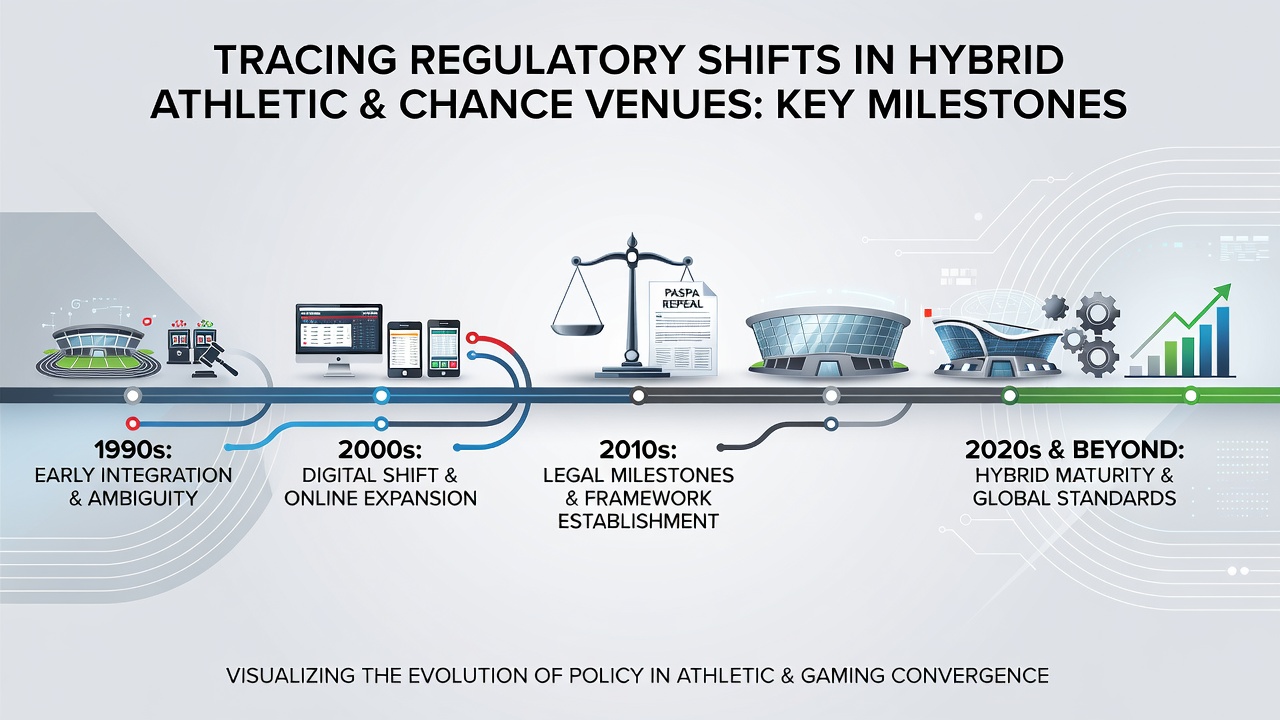
Canadian provinces followed parallel tracks when Ontario’s Alcohol and Gaming Commission updated its standards in 2022 to permit sportsbooks inside multi-purpose entertainment complexes that feature live athletic programming. Those updates emphasized data-sharing requirements between venue operators and provincial regulators to track betting patterns during game days, while Australian state authorities in New South Wales introduced comparable guidelines that addressed crowd management and advertising restrictions at integrated facilities. The reality is that these regional approaches share common threads around transparency and consumer protection even though enforcement structures differ.
October 2026 Milestones and Forward Outlook
In October 2026, several additional U.S. states are scheduled to finalize rules that explicitly address multi-use venues where athletic training facilities sit adjacent to gaming floors, building on earlier compact models. Regulatory filings indicate that these forthcoming provisions will require separate licensing tiers for operators who manage both live event ticketing and real-time wagering interfaces, with emphasis on geofencing technology and staff training programs. Figures released by industry associations reveal that such venues already account for a growing share of total gaming revenue in states where sports betting has matured, and observers expect the October updates to standardize reporting across borders. Those who have followed the progression note that each new layer of regulation tends to reference prior milestones while incorporating advances in digital verification and venue analytics.
Conclusion
The regulatory timeline for hybrid athletic and chance venues demonstrates consistent adaptation to new operational realities through targeted legislation and administrative guidance. Milestones from the 1930s onward illustrate how states and provinces balance revenue goals with oversight mechanisms that address both athletic integrity and gaming compliance. As October 2026 approaches, additional refinements appear likely to continue this pattern of incremental adjustment based on accumulated experience across jurisdictions.